

A Historic Culinary Achievement That Redefined Tradition
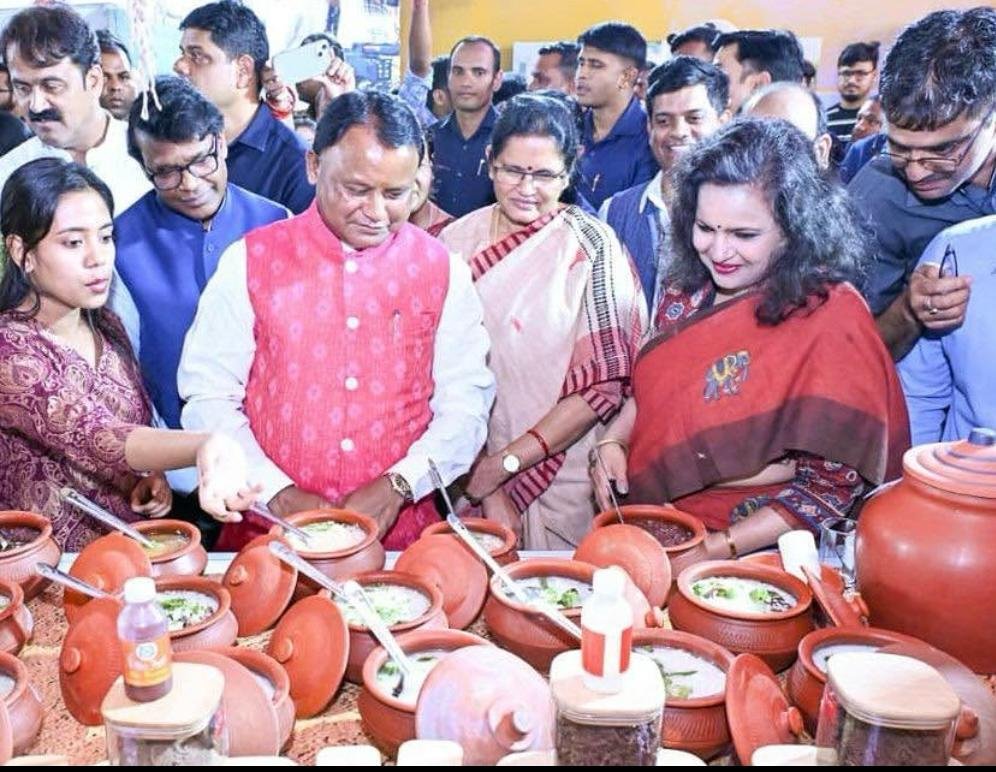
On March 20, 2026, Odisha didn’t just celebrate food—it redefined global culinary recognition. The preparation of 1,174 kilograms of Pakhala in Bhubaneswar marked a Guinness World Record, establishing this humble fermented rice dish as a global symbol of heritage and sustainability.
This wasn’t accidental hype. It was a calculated, cultural assertion. Using 850 kilograms of rice, served to over 2,000 people, Odisha Tourism transformed what outsiders once dismissed as a “simple meal” into an international culinary phenomenon.


What matters here is not just scale—it’s cultural authority. A dish that survived centuries without validation suddenly forced the world to pay attention.
Pakhala: Not Just Food, But Civilizational Identity
Strip away the noise—Pakhala is not a recipe, it is a system.
At its core, it represents:
- Sustainability (zero waste, reuse of rice and water)
- Climate adaptation (cooling food in extreme heat)
- Microbial intelligence (natural fermentation)
Odisha didn’t invent Pakhala for taste—it was built for survival and efficiency. And that’s exactly why it lasted centuries.
Today, what modern nutritionists call:
- probiotics
- gut-friendly bacteria
- hydration foods
…has already been embedded in Pakhala for generations.
The Sacred Link: Jagannath Temple and Divine Food Culture
To understand Pakhala’s real status, you need to drop the “street food” mindset.
Inside the sacred traditions of Odisha, Pakhala is part of ritualistic offerings to Lord Jagannath. That changes everything.
Five Sacred Variants of Pakhala:
- Subasa Pakhala – Infused with ginger and roasted cumin
- Dahi Pakhala – Mixed with curd for enhanced fermentation
- Ghia Pakhala – Enriched with ghee and salt
- Tabha Pakhala – Aromatic with lemon flower water
- Mitha Pakhala – Reserved for special ritual days
This isn’t variety for marketing. It’s structured culinary theology.
The implication is simple:
If a dish is served to a deity worshipped for centuries, its cultural permanence is unquestionable.
The Science Behind Pakhala’s “Sleep Effect”
Let’s cut through vague claims and get precise.
The so-called “Pakhala Nap” is not folklore—it’s biochemistry.
What Actually Happens:
- Fermentation produces lactic acid bacteria
- These microbes help in carbohydrate breakdown
- The body experiences reduced metabolic stress
- Result: calmness + mild drowsiness
Add Odisha’s extreme summer heat, and you get a perfect storm:
- Hydration through Torani (fermented rice water)
- Electrolyte balance
- Reduced internal body temperature
This isn’t comfort food—it’s biological optimization for climate.
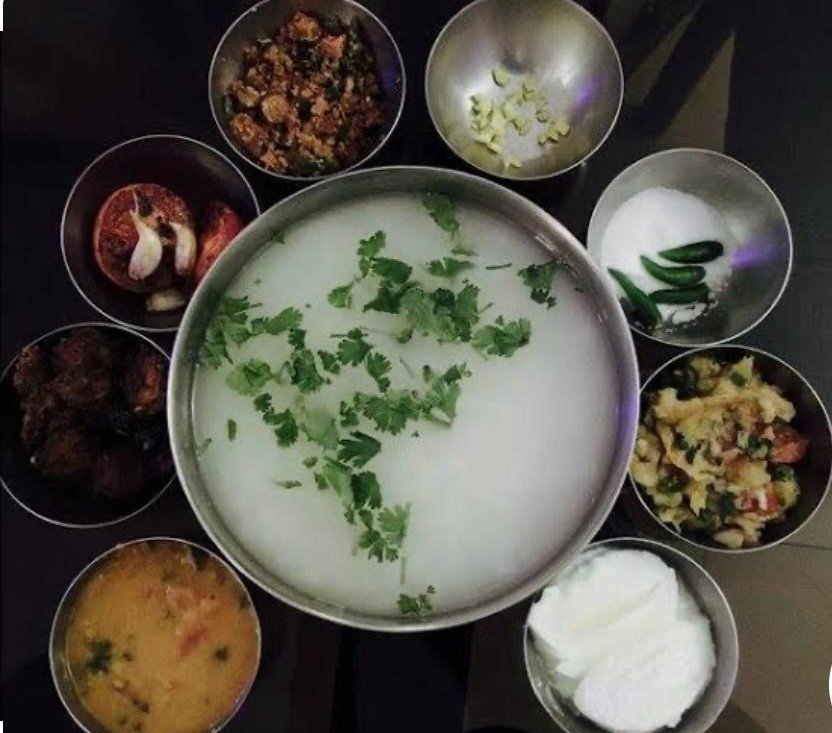
The Architecture of a Perfect Pakhala Thali
If you think Pakhala is just rice and water, you’re missing the entire point.
The Pakhala Thali is engineered contrast.
Core Components:
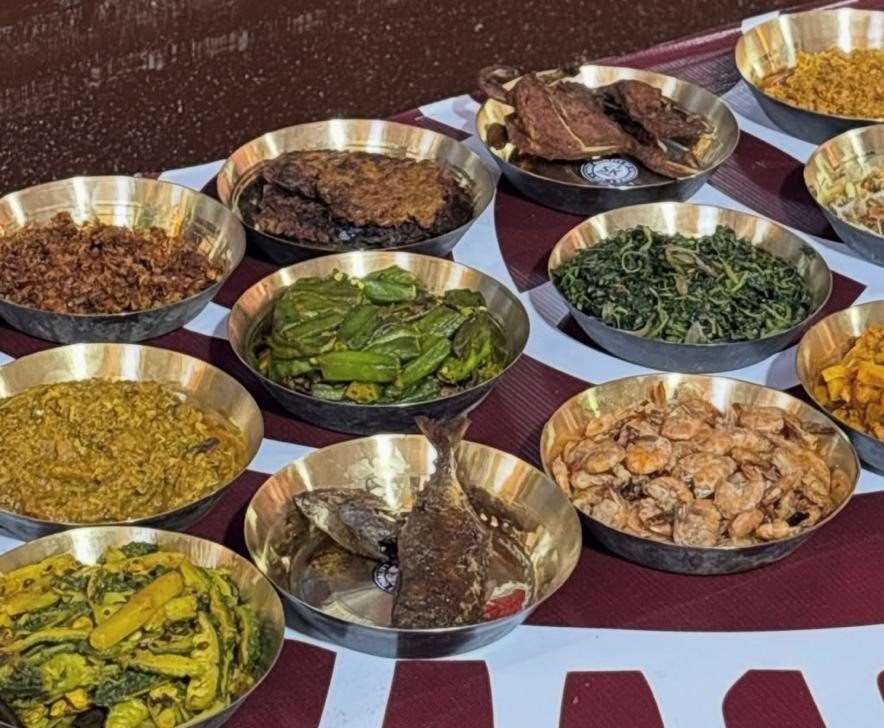
1. Badi Chura
Crushed sun-dried lentil dumplings with garlic and mustard oil—umami and crunch combined.
2. Saga Bhaja
Lightly fried greens that introduce bitterness for balance.
3. Aloo & Baigana Poda
Smoked eggplant and mashed potatoes—depth and texture.
4. Machha Bhaja
Crispy fried fish—protein and salt intensity.
5. Raw Essentials
Onion, lime, green chili—sharpness and freshness.
This is not random plating. It’s flavor engineering:
- Cold vs hot
- Soft vs crispy
- Tangy vs spicy
That’s why the experience works.
Torani: The Underrated Super Drink
Most people ignore the real asset: Torani.
This liquid isn’t waste—it’s the nutritional core.
Why It Matters:
- Rich in Vitamin B12
- Loaded with minerals
- Natural probiotic drink
- Supports gut microbiome
While the world spends money on kombucha and packaged probiotics, Odisha has been consuming Torani for free.
That’s not just tradition—that’s efficiency outperforming modern industry.
From Local Food to Global Recognition
Let’s be honest—Pakhala was undervalued for decades.
It was labeled:
- “Poor man’s food”
- “Rural meal”
- “Basic diet”
That perception collapsed in 2026.
The Guinness World Record didn’t just validate scale—it:
- Forced global culinary platforms to notice
- Elevated Odisha’s tourism positioning
- Reframed Pakhala as a heritage superfood
Now, it’s appearing in:
- Luxury hotel menus
- Global food festivals
- Cultural diplomacy events
That shift didn’t happen organically. It happened because scale + narrative = authority.
Why Pakhala Wins in the Modern World
Modern diets are collapsing under their own complexity.
People are dealing with:
- Digestive disorders
- Over-processed food
- Heat-related fatigue
Pakhala solves these problems without trying to be trendy.
Key Advantages:
- Zero processing
- Natural fermentation
- Climate-adaptive nutrition
- Low cost, high efficiency
Compare that to expensive “health foods” and the conclusion is obvious:
Pakhala isn’t outdated—it’s ahead of its time.
The Cultural Impact of March 20, 2026
The event in Bhubaneswar wasn’t just about breaking a record.
It did three critical things:
- Reclaimed cultural pride
- Created global awareness
- Strengthened regional identity
For Odisha, Pakhala is not optional—it’s identity in edible form.
It carries:
- Stories from households
- Rituals from temples
- Survival strategies from history
Calling it just a dish is intellectually lazy. It is a living system of culture, nutrition, and heritage.
The Real Legacy: Beyond Guinness Records
Records get broken. Trends fade.
But what doesn’t fade is cultural continuity.
The real takeaway from 2026 is this:
- A regional food doesn’t need validation to matter
- But when it gets validation, it can dominate globally
Pakhala is now positioned as:
- A symbol of Odisha
- A model of sustainable eating
- A case study in traditional nutrition
And unlike modern food trends, it doesn’t depend on marketing—it depends on functionality and history.
Final Verdict: Why the World Can’t Ignore Pakhala Anymore
If you strip away hype, branding, and global food politics, one fact remains:
Pakhala works.
It works for:
- The body
- The climate
- The culture
And now, after the Guinness World Record of 2026, it also works on the global stage.
What was once underestimated is now unavoidable.
Pakhala is no longer just Odisha’s pride.
It is a global benchmark for what real food should look like.