


Odisha’s Festival of Life and Renewal
Raja Parba Festival in Odisha is one of the most culturally significant and spiritually meaningful festivals celebrated in the Indian state of Odisha. Marking the arrival of the monsoon season, this unique festival celebrates womanhood, fertility, nature, and the rhythmic cycles of life. Unlike many festivals that revolve around rituals alone, Raja Parba represents a powerful blend of ecological awareness, cultural heritage, and social celebration.
For three sacred days, life in Odisha slows down deliberately. Agricultural activities pause, traditional swings appear under large trees, kitchens fill with the aroma of traditional delicacies, and women and girls become the center of celebration. Raja Parba is not simply observed—it is experienced emotionally, culturally, and spiritually.
This festival offers a rare cultural perspective where menstruation, fertility, and the nurturing power of the Earth are honored rather than hidden, making Raja Parba one of the most progressive traditional celebrations in India.
Meaning and Origin of Raja Parba
The term “Raja” originates from the Sanskrit word “Rajaswala,” which refers to a menstruating woman. The festival symbolizes the belief that during these days Mother Earth (Bhu Devi) undergoes her annual menstrual cycle. As a result, the Earth is considered to be resting and rejuvenating.
In accordance with this belief:
- Ploughing and agricultural activities are stopped
- Digging the soil is avoided
- Trees and land are left undisturbed
This pause reflects an early understanding of ecological balance and soil regeneration. Long before modern environmental discussions emerged, this tradition acknowledged that the Earth requires rest and renewal to maintain fertility.
By observing this pause, communities in Odisha reinforce the idea that nature is not merely a resource but a living entity deserving care and respect.
The Arrival of the Monsoon: Nature’s Silent Announcement
Raja Parba begins just as monsoon clouds gather across the eastern skies of India. The atmosphere transforms slowly:
- Dark monsoon clouds fill the horizon
- The scent of wet soil (petrichor) rises after the first rains
- Cool winds replace the intense summer heat
- Villages begin preparing swings and traditional decorations
This seasonal shift signals not only the beginning of the festival but also the start of the agricultural cycle that follows the monsoon.
Nature itself becomes the first messenger of the festival. The clouds, the scent of rain, and the changing sky together announce the arrival of Raja Parba in Odisha.
Women at the Center of Raja Parba
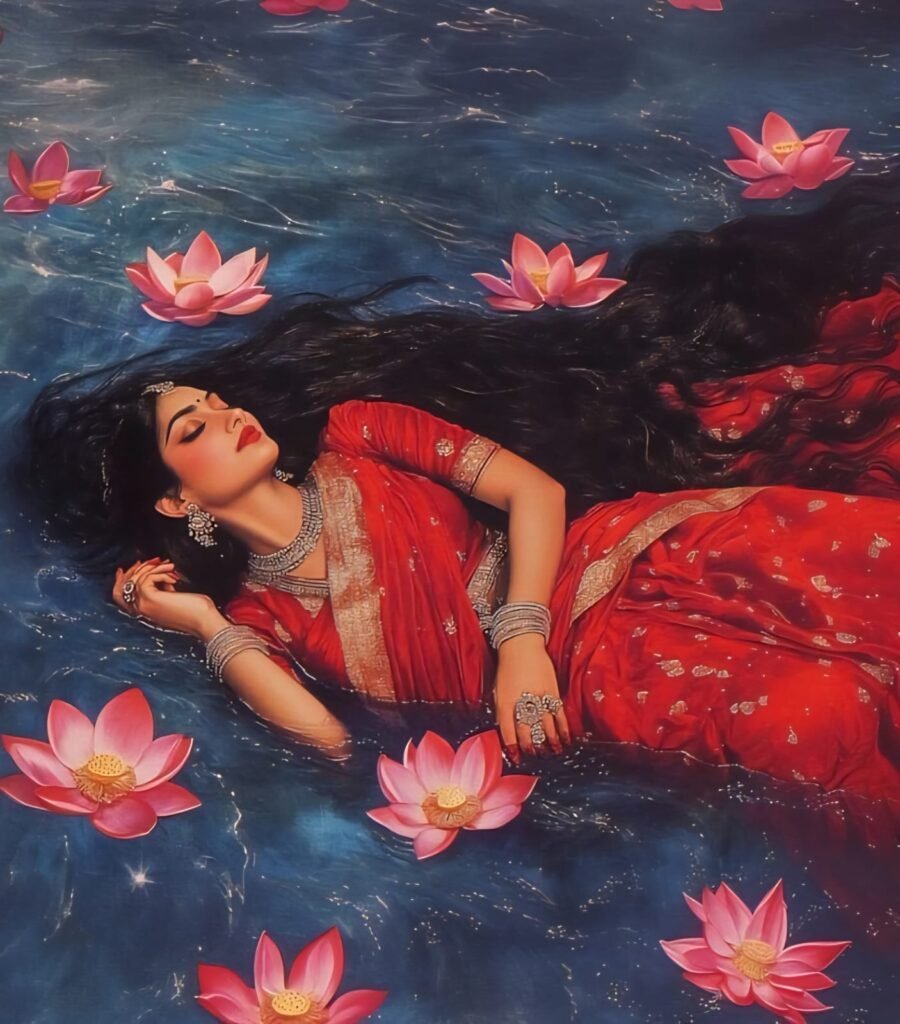
One of the most distinctive aspects of Raja Parba is the celebration of women and girls. During the three days of the festival, women are relieved from routine household responsibilities.
Instead of performing daily chores, women spend time:
- Wearing new sarees or traditional dresses
- Decorating their feet with red alata
- Braiding flowers into their hair
- Singing traditional songs
- Enjoying swings and games
The symbolism is powerful. Women are not expected to serve or manage household duties during these days. Instead, they are encouraged to rest, celebrate, and enjoy themselves freely.
This temporary reversal of roles highlights a deeper cultural message: womanhood is to be celebrated, not burdened.
Raja Doli: The Iconic Swings of the Festival
Raja Doli, the beautifully decorated swings hung from strong branches of mango, banyan, or neem trees.
These swings are often adorned with:
- Bright cloth decorations
- Flowers and leaves
- Handcrafted ropes
- Traditional ornaments
Young girls gather around these swings, taking turns flying high into the air while singing Raja Gita, traditional folk songs associated with the festival.
The swinging motion itself carries symbolic meaning. It represents the rhythm of life, seasonal change, and the joyful freedom of youth. Laughter, music, and playful competition fill village courtyards and urban neighborhoods alike.
Without trees, the swings cannot exist—making Raja Parba also a subtle reminder of the importance of preserving green spaces and forests.
Traditional Foods of Raja Parba
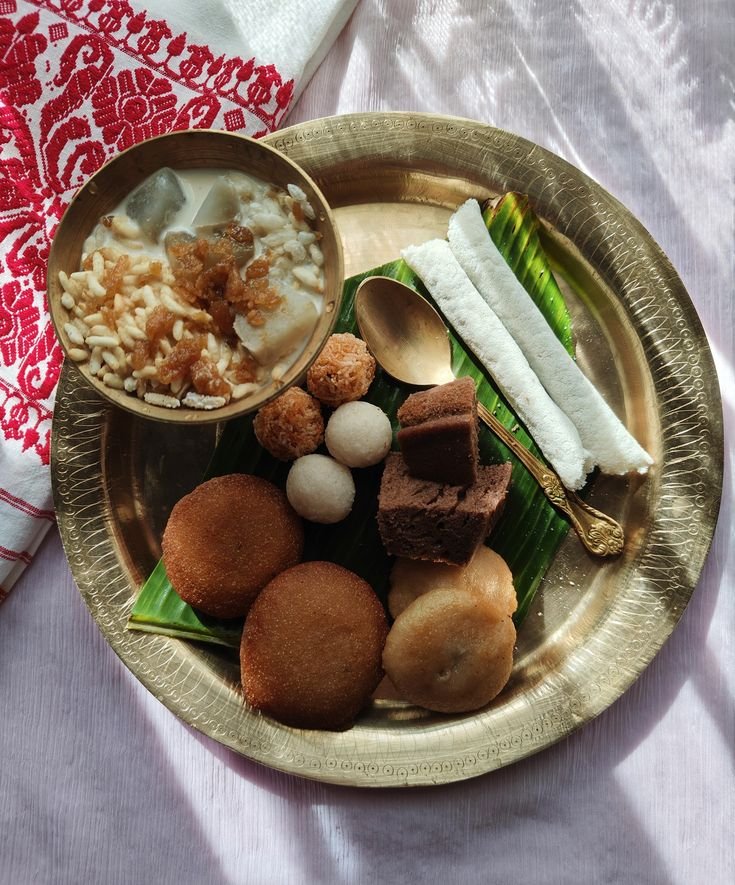
Food plays a central role in every Indian festival, and Raja Parba is no exception. The kitchens of Odisha become centers of preparation for traditional dishes that reflect regional flavors and cultural heritage.
Poda Pitha: The Signature Dish
The most iconic delicacy prepared during Raja Parba is Poda Pitha.
This traditional cake is made by:
- Fermenting rice batter
- Mixing it with jaggery, grated coconut, and spices
- Slowly baking it for several hours
The slow cooking process produces a dark caramelized crust and smoky flavor, making Poda Pitha one of Odisha’s most beloved festive foods.
Other Popular Raja Delicacies
During the festival, families also prepare:
- Manda Pitha
- Chakuli Pitha
- Enduri Pitha
- Raja Paan (betel leaf preparation)
These dishes are shared among neighbors and relatives, strengthening community connections.
Cultural Activities and Folk Traditions
Raja Parba is filled with music, games, and cultural performances that keep traditions alive across generations.
Some common activities include:
- Raja Gita (folk songs) sung by women and girls
- Traditional indoor games like Ludo and cards
- Village competitions and cultural events
- Decorating courtyards with rangoli-like patterns
These activities reinforce community bonding and allow people to disconnect from daily pressures.
Unlike fast-paced modern celebrations, Raja Parba encourages slowness, connection, and reflection.
Ecological Significance of Raja Parba
One of the most remarkable aspects of this festival is its environmental philosophy.
By pausing agricultural work and respecting the land’s rest cycle, Raja Parba demonstrates principles similar to modern concepts such as:
- Sustainable farming
- Soil regeneration
- Environmental conservation
- Ecological awareness
The tradition recognizes that continuous exploitation of land leads to degradation, while rest allows the Earth to recover.
This ancient practice reflects a deep understanding of natural cycles and sustainability.
Modern Challenges Facing Raja Parba
Despite its cultural richness, Raja Parba faces several challenges in the modern era.
Urbanization and Decline of Green Spaces
As cities expand, large trees and open spaces are disappearing, making it difficult to set up traditional swings.
Without trees, one of the festival’s most iconic traditions risks fading away.
Social Media Commercialization
In recent years, Raja Parba has increasingly become a visual social media event rather than a cultural experience.
Photo opportunities often replace the deeper values of the festival, such as:
- Respect for nature
- Understanding menstrual awareness
- Celebrating feminine power
When traditions lose their meaning, they risk becoming empty rituals.
Why Raja Parba Still Matters Today
In a world that constantly demands productivity and speed, Raja Parba delivers an important message: rest is necessary for renewal.
The festival teaches several timeless truths:
- Nature must be respected
- Women deserve recognition and celebration
- Life’s cycles should be honored rather than hidden
- Community traditions create cultural continuity
By celebrating menstruation and fertility openly, Raja Parba challenges outdated social taboos and encourages dignified conversations about women’s health and biology.
Few cultural traditions express these ideas with such clarity and beauty.
Preserving the Legacy of Raja Parba
To ensure that Raja Parba remains meaningful for future generations, communities must actively preserve its traditions.
Important steps include:
- Protecting trees and green spaces
- Teaching children the cultural meaning behind the festival
- Continuing the preparation of traditional foods
- Encouraging open discussions about menstrual awareness
- Supporting local cultural events and folk music
When these traditions are preserved, Raja Parba continues to serve as a living reminder of Odisha’s deep cultural wisdom and respect for nature.
Conclusion: A Festival Rooted in Ancient Wisdom
Raja Parba is far more than a seasonal celebration. It is a powerful cultural expression that recognizes the sacred connection between womanhood, fertility, and the Earth.
As monsoon clouds gather and swings begin to sway beneath old banyan trees, the festival quietly communicates a timeless message: life thrives when nature and humanity exist in balance.
Through music, food, rest, and celebration, Raja Parba preserves an ancient philosophy that remains profoundly relevant today.
Odisha continues to share this wisdom with the world—reminding us that celebrating women, respecting nature, and honoring life’s cycles are traditions worth protecting.