
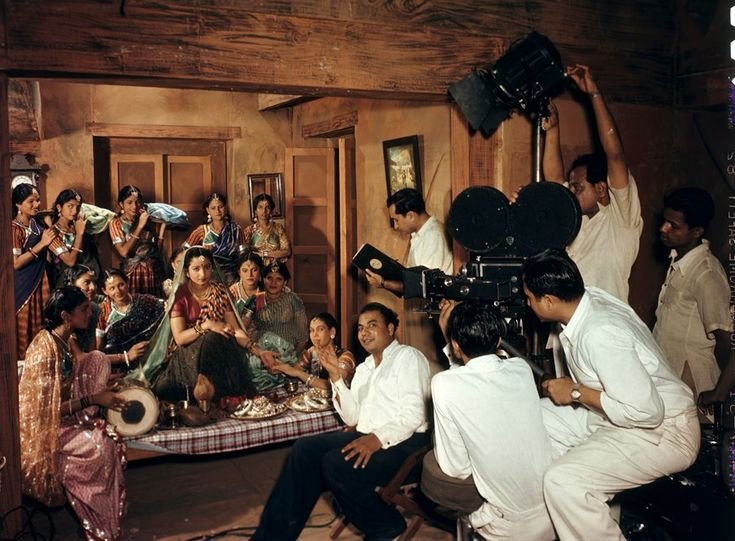

The Glass Ceiling in Indian Cinema
Gender inequality in Indian cinema is a serious issue that affects how stories are told, who gets opportunities, and how women are represented on and off the screen. While India’s film industry is celebrated for its grand storytelling and emotional depth, it often reflects a male-dominated perspective that marginalizes women in creative leadership, acting roles, and economic opportunities. This glass ceiling continues to restrict female participation and reinforces patriarchal narratives in mainstream cinema.
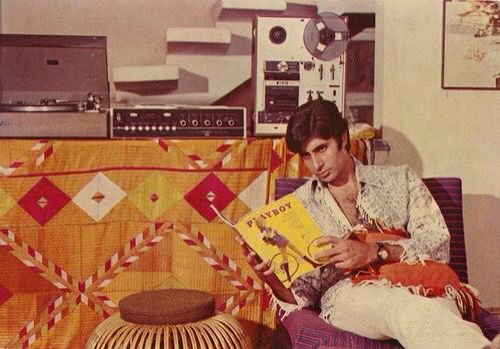
Gender Inequality in Indian Cinema and Male Dominance
Gender inequality in Indian cinema is deeply rooted in the industry’s leadership structure. Most directors, screenwriters, and editors are men, which means storytelling is largely influenced by the male gaze. Women occupy only a small percentage of key creative positions, limiting diverse narratives and authentic female perspectives.
You might also like


Gender Pay Gap in Bollywood
The gender pay gap in Bollywood highlights systemic inequality. Male actors often earn over ₹100 crore per film, while female actors are paid significantly less, even when they have equal popularity and box office success. This disparity reflects long-standing biases and unequal investment in female-led projects.
Representation of Women in Indian Films
Women in Indian cinema are often portrayed through stereotypes, objectification, and limited character arcs. Female-centered films receive less marketing support and lower budgets, reinforcing the myth that women-led films are not commercially viable.
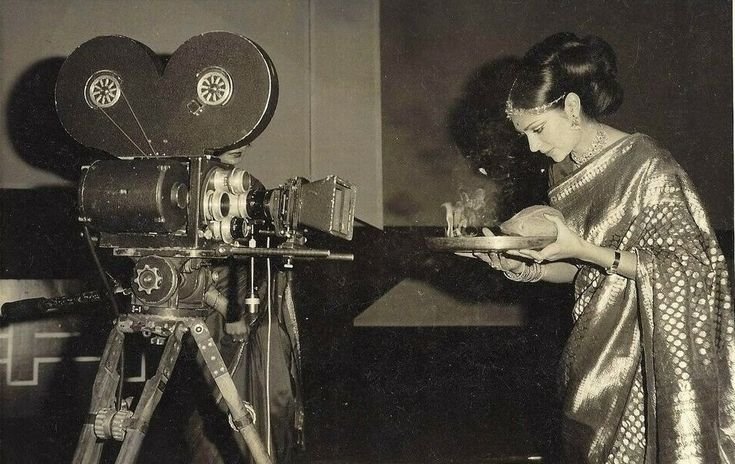
Women Filmmakers and Success Stories
The success of The Elephant Whisperers demonstrated the global potential of women filmmakers in India. With a female-led creative team, the film showcased empathy, authenticity, and inclusive storytelling, proving that women can lead internationally successful projects.
Why Indian Cinema Needs Structural Change
True gender equality requires more than symbolic support. Media houses, policymakers, and civil society must actively promote women filmmakers, enforce fair pay, and challenge sexualization and objectification in cinema.
Conclusion – The Future of Gender Equality in Cinema
Gender equality in cinema is not just a women’s issue—it is essential for the growth of Indian cinema. Breaking the glass ceiling will enable authentic storytelling and empower women to take leading roles both on and off screen. Indian cinema must move beyond patriarchal narratives and embrace inclusive storytelling for a progressive future.
Answer: Gender inequality in Indian cinema means women get fewer opportunities, lower pay, and less representation compared to men in the film industry.
Answer: Female actors earn less due to gender bias, male-dominated production, and lower investment in women-led films, even when they are popular.
Answer: Women in Indian films are often shown in stereotypical roles, objectified characters, or supporting roles, instead of strong and independent leads.
Answer: Women filmmakers face challenges like lack of funding, fewer opportunities, gender bias, and limited representation in leadership roles such as directors and writers.
Answer: Gender equality can be improved by promoting women directors, ensuring equal pay, supporting female-led films, and changing how women are portrayed in movies.